Item Specifics
⚫ Condition – A brand-new, unused, unopened, undamaged item
⚫ Expiration Date – 2 years
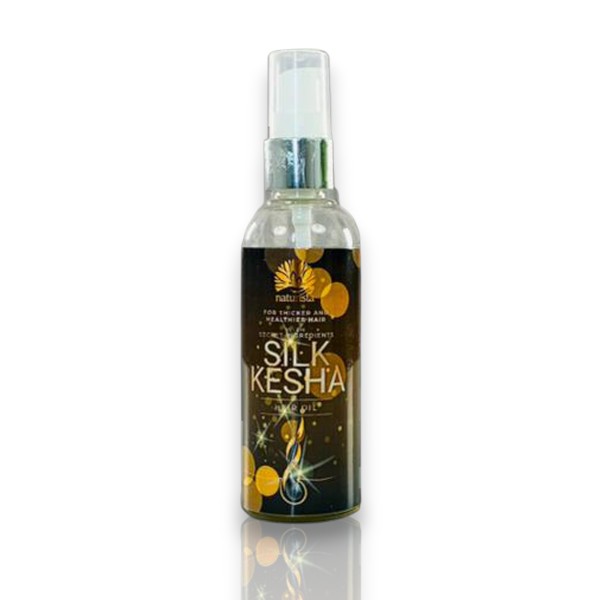
⚫ Formulation – Oil
⚫ Product Size – 100ml
⚫ Ingredients – Keekiridiya, Nil Avariya, Ankenda, Vishnukranthi, King Cocunut oil, Lunuvila, Fenugreek, Hibiscus, Amla, Kapparavalliya
⚫ Country / Region of Manufacture – Produced in Sri Lanka
⚫ Usage – External use
⚫ Department – Child, Men, Unisex, Women
⚫ Features – Natural, No Animal Testing
⚫ Store – Cool & Dry Place
⚠️ Identifying Hair-Related Problems.
- Hair loss.
After the age of 25, both men and women begin to experience a gradual decrease in the amount of hair on the scalp. However, women may notice a slight increase in hair thickness between the ages of 20 and 40 due to the influence of the hormone estrogen. After the age of 40, women also tend to experience a reduction in hair volume and density.
- Hair lacks thickness and exhibits slow growth.
This is the stage where hair strength and thickness gradually decline. Additionally, new hair does not grow quickly enough to replace the hair that naturally falls out.
- Dandruff and Seborrheic Dermatitis.
These are two of the most common complications of dandruff. Small flakes fall off the scalp, which can sometimes lead to hair loss.
- Hair graying
Hair gets its color from a pigment called melanin. The amount of melanin varies between individuals, and a decrease in its production causes hair to turn white or gray.
🏆 Hair graying can be classified into two main types.
✔️ Graying of hair due to aging
✔️ Premature graying of hair
è Premature graying generally refers to hair turning white before the age of 20.
- A headache that has persisted over an extended period.
Chronic headaches may also result from nutritional deficiencies affecting the scalp.
🔴 Causes of Hair Problems
Causes of Hair Loss, Thinning, and Slow Hair Growth
🍂 These issues can also result from side effects of certain illnesses.
🍂 Iron deficiency, commonly experienced by young women with heavy menstruation, can contribute to hair problems.
🍂 Experiencing vitamin D deficiency.
🍂 In some cases, conditions such as hypothyroidism and hyperthyroidism - where the thyroid gland is underactive or overactive, producing too little or too much thyroid hormone, respectively - can contribute to hair problems.
🍂 The use of chemical products and heat styling tools - such as hair dryers, curlers, and straighteners - can contribute to hair damage.
🍂 Excessive physical or psychological stress.
🍂 The combined effects of hormones and genetics.
🍂 Always wear a helmet.
🍂 Frequent exposure to air-conditioned environments.
🍂 Sudden changes in bathing water - such as when moving to a new location - can affect hair health.
🍂 Taking long baths in the evening or at night.
🍂 Poor dietary habits, low intake of fruits and vegetables, and the use of various artificial products.
Causes of hair graying
🍂 Genetic/Hereditary Causes – Children are more likely to experience early graying if their parents had it.
🍂 Mental Health Issues – These include sleep problems, anxiety, depression, loss of appetite, anorexia, and high blood pressure.
🍂 Immune system disorders – These may cause the body to react against the pigment responsible for hair color, which is produced by its own proteins.
🍂 Thyroid-Related Conditions – Because the thyroid gland is essential for hormonal balance and metabolic function, thyroid disorders can disrupt pigment production, potentially leading to premature graying of hair.
🍂 Vitamin Deficiencies – Especially vitamin B12 deficiency, which is linked to premature graying.
🍂 Gastrointestinal Diseases – Disorders such as gastritis and IBS may impair the absorption of vital nutrients, including vitamins and minerals, which are important for overall health and hair pigmentation.
🍂 Chronic Stress and Migraines – Currently, this is one of the leading causes of premature hair graying, with cases increasingly absorbed even in school children and young children.
🍂 Excessive smoking.
🍂 Regular wearing of hats and helmets can raise scalp temperature, potentially leading to premature hair graying.
🍂 Frequent use of oils containing volatile (cooling) components for scalp massage to relieve headaches.
🍂 Excessive late-night sleep disruption.
🔴 The Benefits:
🍂 Stop hair loss and promote regrowth.
🍂 Provides essential nourishment to make hair healthy and strong.
🍂 Helps prevent premature graying and promotes a rich black hair color.
🍂 Offers relief from symptoms such as excessive sneezing, headaches, blood-tinged pus, frequent nasal discharge, and itchy nostrils.
🍂 Effective relief from chronic headaches and high stress levels.
⚠️Please note that the color of Existing hair will remain unchanged, but correct usage encourages new hair to grow in black.
🔹 Usage Instruction: -
⭕ Take a small amount of Naturista Silk Kesha Oil into the palm and gently massage it thoroughly into the roots of the scalp.
⭕ Then, using your fingertips, massage the scalp gently and thoroughly for about 10 minutes.
⭕ Apply once daily in the morning or afternoon. Avoid nighttime use.
⭕ Leave on for at least 3 hours and wash off before bedtime.
Ø Successful results require uninterrupted use of the ointment for 45 days.
Ø Appropriate for men, women, and children.
Foods beneficial for reducing and protecting against hair and scalp issues.
- Include more green vegetables and fruits in your diet.
- Include vitamin D-rich foods in your diet frequently.
- Consume a porridge prepared with medicinal plants like mukunuwenna, kikirindiya, gotukola, iramusu, monarakudumbiya, karapincha, hathawariya, lunuwila, polpala, and lotus root multiple times per week.
- Prepare a mixture of curry leaves, ripe bananas, and honey, and consume it before bedtime and upon waking in the morning.
- Ripe bananas with sugar and honey may reduce the risk of premature hair graying.
- Eat about a teaspoon of washed and dried black sesame seeds every morning and evening. Black sesame seeds are rich in copper (Cu), an element that helps prevent premature graying of hair. By following this remedy for a few months, you can gradually reduce the graying of your hair.
- Include cashews, peanuts, and dates in your diet.
- Include Kathurumurunga leaves in your diet.
- Drink a spoonful of crushed ginger mixed with honey every morning.
- Mix sugarcane jaggery with turmeric powder and take about a teaspoon each morning.
- Prepare and eat turkey berry and curry leaves, and enjoy curry leaves sambol.
- Drink honey mixed with onion juice, or lemon juice mixed with onion juice.
- Drink water prepared by boiling Nelli and Iriweriya.
- Include green beans, peas, and soy (but not soy meat) in your diet.
Steps and Habits to Minimize Hair Problems
- Avoid using chemical products and heat styling tools such as hair dryers, curlers, and straighteners.
- Minimize physical and mental stress as much as possible.
- If you wear a helmet frequently, place a thin cotton cloth on your head underneath it.
- Minimize frequent exposure to air-conditioned environments as much as possible.
- Avoid taking baths late in the evening or at night for extended periods.
- Seek medical treatment to address iron deficiency, especially for young women experiencing heavy menstruation.
- Avoid smoking.
- Avoid frequent use of oils with volatile (cooling) components for massage, even if they relieve headaches.
- Avoid regularly staying up late or missing sleep at night.
🌍 This comes to you in an easy-to-use package that can be preserved in accordance with international market standards.
📔 Complimentary instruction leaflet inside.
🗝️ Sufficient quantity for 45 days.


 Guarantee safe & Secure checkout